What Are Common Home Inspection Problems?

The Reality of Home Inspections
Almost every home will have inspection findings but that does not automatically mean the home is a bad purchase. Instead, inspections are meant to show the real condition of the property, not just what you can see during a quick walk-through.
Even newer homes can have issues. Construction mistakes, settling materials, or maintenance problems can still show up during inspection reports.
Older homes, of course, usually have more findings simply because they have been standing longer and have experienced more wear and tear.
That’s why inspections are so important for both buyers and sellers. They help prevent surprises after closing.
Is It Normal to Find Problems?
Yes.
It is completely normal for a home inspection report to list several issues. In fact, most inspection reports will have multiple items noted, ranging from minor cosmetic problems to bigger structural concerns.
Many of these findings are not dealbreakers. Some are just maintenance reminders that help the homeowner keep the property in good condition.
Even real estate professionals agree that surprises can still happen during inspections.
One experienced real estate contributor on Reddit shared this insight after completing more than 1,000 transactions:
“20+ yrs experience, 1,000+ transactions. I can think of a few scenarios where a general home inspection would have revealed a major issue… Inspections are all about risk analysis.”
The commenter then shared real-life examples of major problems that were only discovered during inspection-related processes:
- Bat infestations that were not visible during home showings because it was the wrong season, but evidence of droppings suggested a large infestation.
- Sewer line issues, which cannot be seen without specialized camera scope inspections.
- Large foundation cracks hidden behind finished basement walls and drywall.
- Attic and crawl space problems that many buyers are not prepared to physically check during showings.
- HVAC problems that may not appear depending on the season of inspection.
- Pool or hot tub issues that are also highly weather dependent.
The main lesson from these experiences is simple: home inspections are really about risk analysis. Some problems cannot be fully tested depending on the season, home design, or accessibility of certain areas. Even newer systems can fail unexpectedly, while older systems sometimes continue working perfectly for years.
Supporting this reality, statistics also show that inspection findings are extremely common.
According to a survey conducted by Porch and reported by RubyHome, 86% of home inspections found at least one defect that needed repair. The most common problems were related to:
- Roof issues (19.7%)
- Electrical problems (18.7%)
- Window problems (18.4%)
These numbers show that finding problems during inspection is actually normal, not a sign that you should automatically walk away from a home.
If you want to read more about these statistics, you can visit:
https://www.rubyhome.com/blog/home-inspection-stats/
The goal is not to find a perfect home. The goal is to understand what you are buying and how much it will cost to maintain.
These are not always visible during a regular home visit. That is why buyers should always rely on professional inspections before making big financial decisions.
Major inspection problems do not always mean you should walk away from a home. Sometimes they simply give buyers power to negotiate a better price or request repairs before closing.
Are Homes Usually Inspected Before Listing?
No.
Most homes are not pre-inspected before they are listed for sale. That means sellers may not know about certain problems until a buyer’s inspection reveals them.
Some sellers do choose to get a pre-listing inspection because it can:
- Help them fix problems early
- Make the home easier to sell
- Reduce negotiation surprises
Common Home Inspection Issues (From Most Serious to Least Serious)
Some of these inspection issues that you may encounter will be a threat to your safety. It could also pose a financial risk for you but some others are just issues that could affect the comfort of your living.
Here is a simple summary of the most common inspection problems you may encounter, starting with the most serious concerns.
Structural Damage (Most Serious)
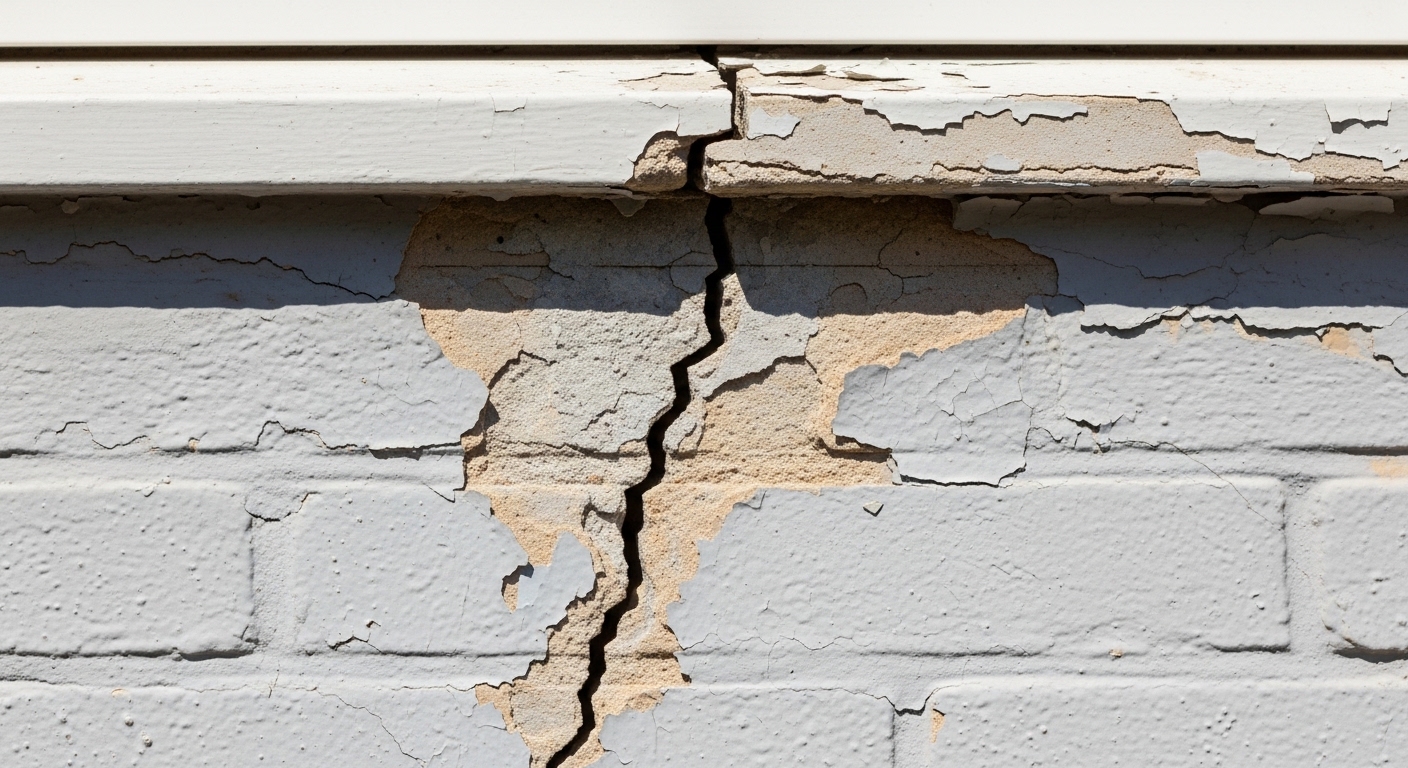
Structural problems affect the safety and stability of the home. These can include foundation cracks, shifting walls, sloping floors, and doors or windows that do not close properly. Structural repairs are usually very expensive and may require professional engineers to evaluate before repairs can begin.
Water Intrusion and Drainage Problems
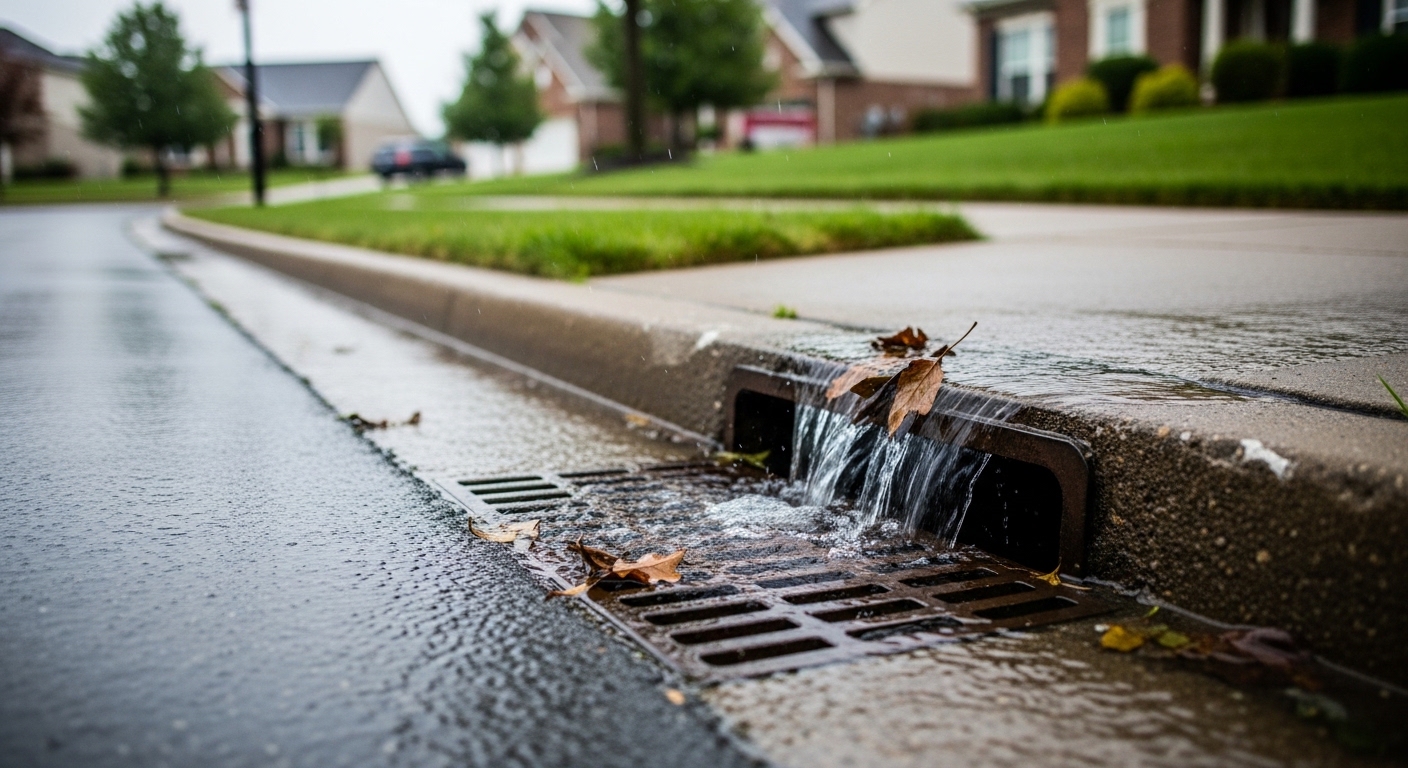
Water problems are extremely dangerous because they can lead to mold growth, foundation damage, and long-term structural weakening. Warning signs include water in basements, wet walls, mold smell, or poor drainage around the home. Fixing water problems may require waterproofing, foundation repair, or improving yard grading.
Outdated or Unsafe Electrical Panels
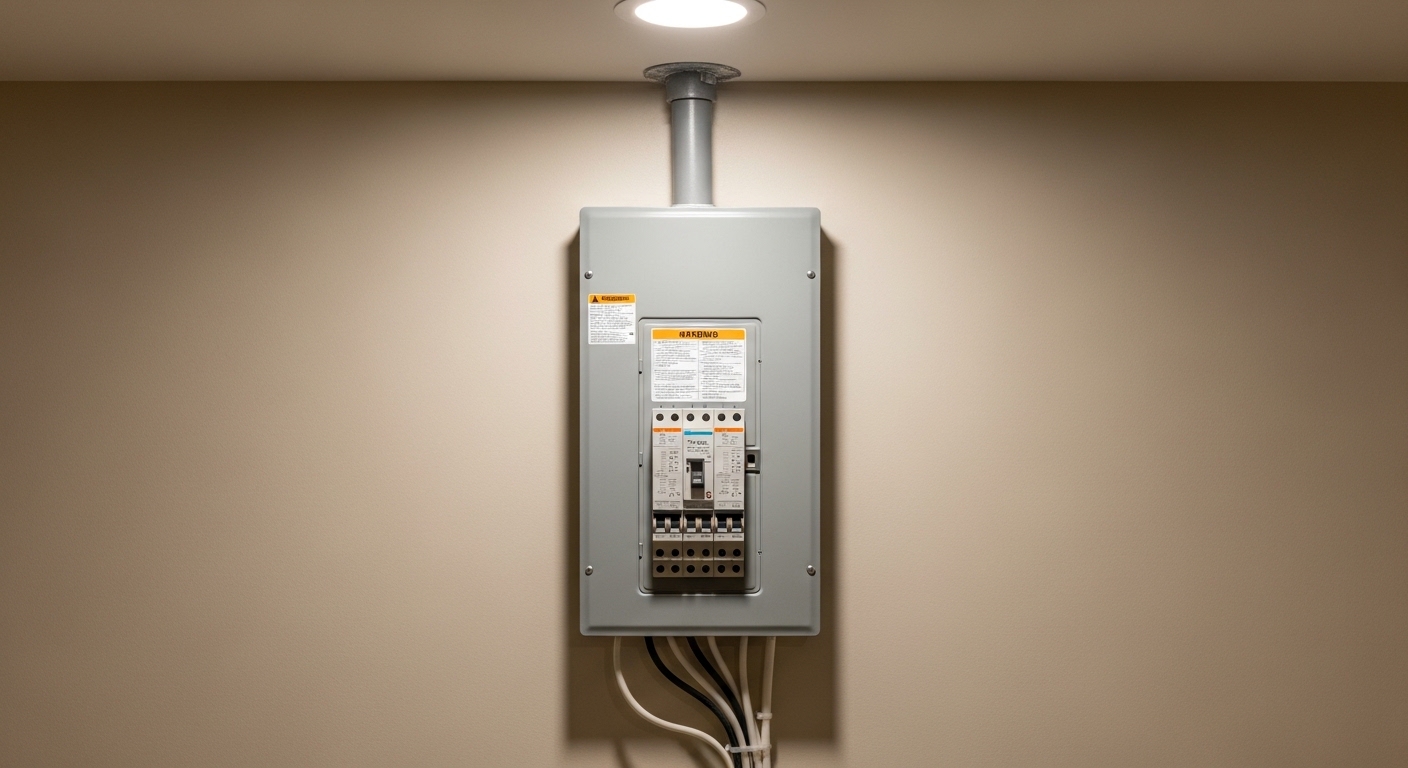
Electrical problems can create fire hazards and insurance concerns. Older homes may have outdated fuse boxes, overloaded breakers, or unsafe electrical panels that need replacement. Electrical upgrades are usually costly but important for safety.
Roof Problems
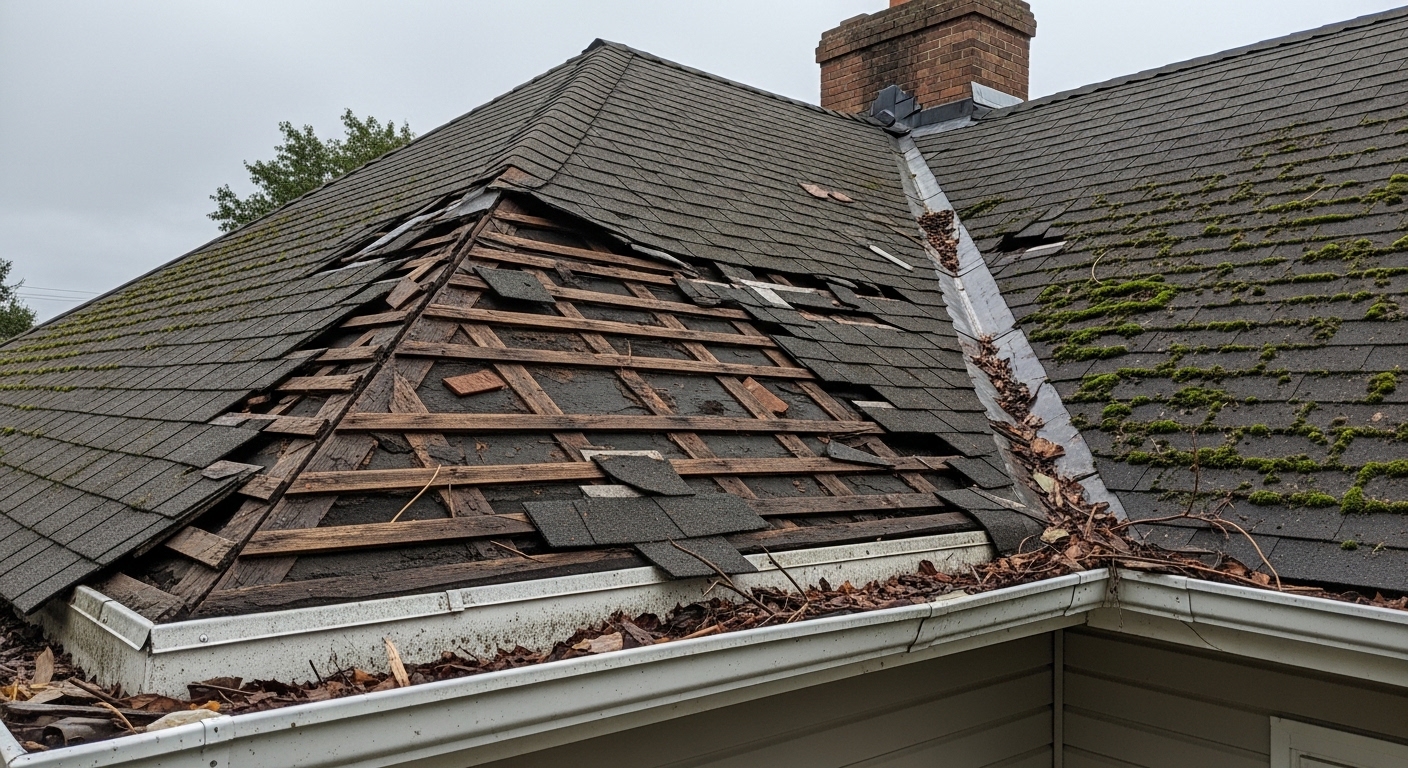
The roof protects the entire home from weather damage. Missing shingles, curled shingles, ceiling water stains, or attic rot can signal roof problems. Roof replacement can be expensive, but it is often necessary if the roof is near the end of its lifespan.
Plumbing Issues
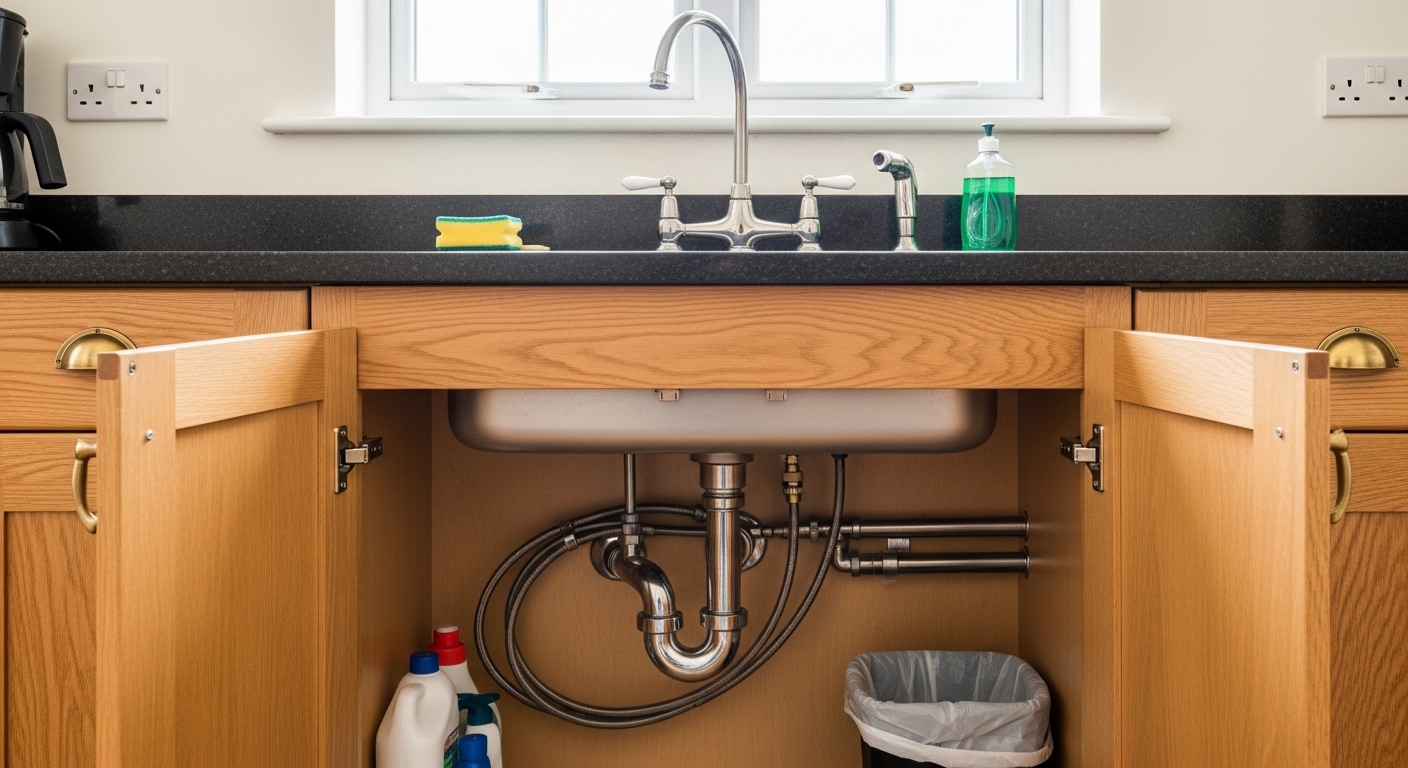
Plumbing problems can be hidden behind walls and may cause water damage over time. Common issues include leaks, corroded pipes, low water pressure, or sewer line damage. Some older homes may have outdated pipe materials that need replacement.
HVAC System Problems
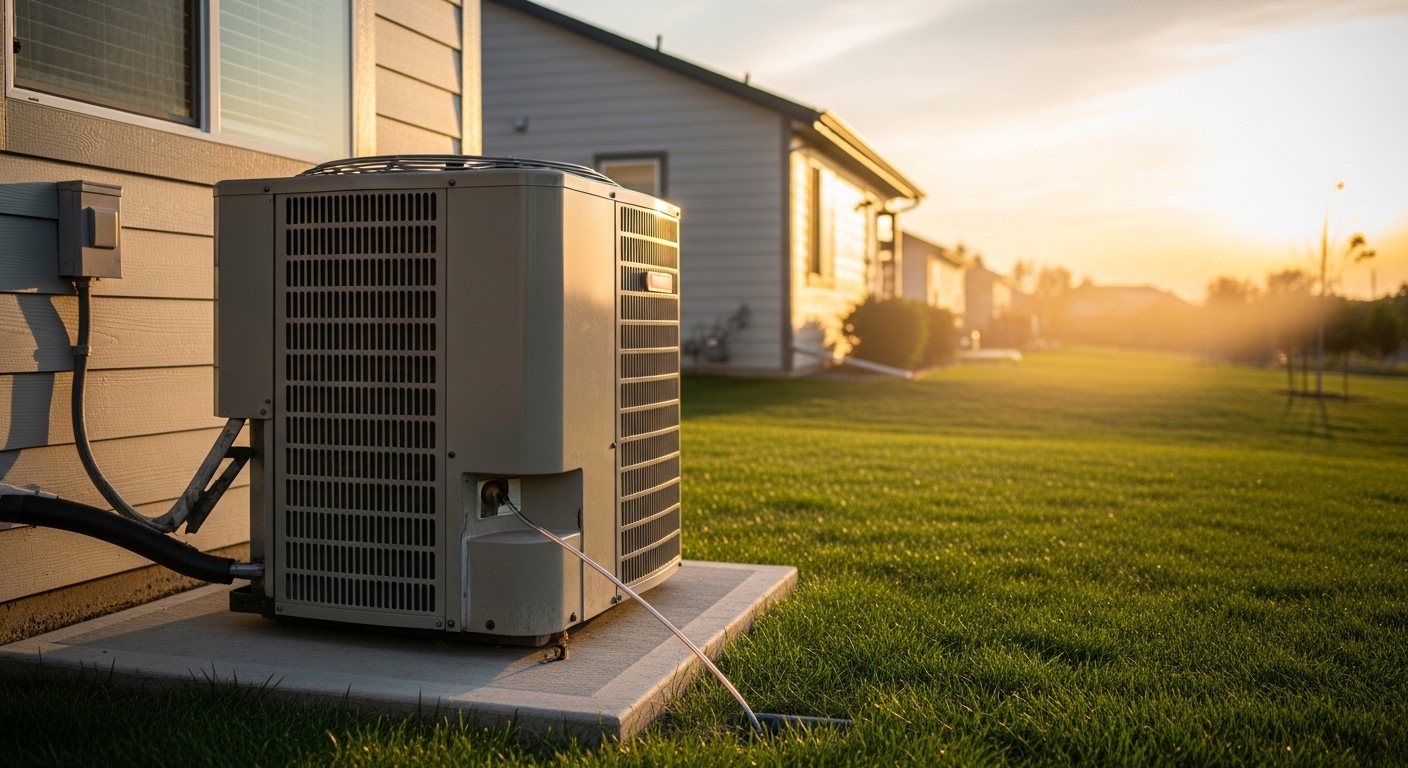
Heating and cooling systems help maintain comfort and energy efficiency. Signs of HVAC problems include strange noises, weak airflow, uneven heating or cooling, or systems that are over 15–20 years old. While HVAC failures are not always emergencies, replacement systems can be expensive.
Pest Infestations
.png)
Pest problems can include termites, rodents, or carpenter ants. These pests can damage wood structures, wiring, and insulation if not treated quickly. Pest issues are usually treatable, but damage repair costs can vary depending on severity.
Window Problems (Least Serious on This List)

Window problems are usually considered less serious than structural or safety issues. Common problems include drafts, fog between glass panes, or windows that do not open or close properly. While replacing windows can be expensive, these issues are usually more related to comfort and energy efficiency rather than safety.
Live Where the Fun Never Ends
From lakeside adventures to cozy nights near Arnolds Park, find a home that brings you closer to the action. Explore the latest listings and discover your place by the water.
See the best listings in OkobojiRecent Blog

Tired of Guessing Where to Eat? Restaurants in West Okoboji
Between Arnolds Park, Okoboji, and Spirit Lake, you should be able to plan ahead and prepare your budget, especially if you're visiting for the first time and don't know which spots are actually worth your time.
Read MoreTired of Guessing Where to Eat? Restaurants in West Okoboji
Should I Get A Home Inspection As A Seller?
Getting a professional home inspection as a seller helps you catch issues early, avoid surprises during negotiations, and set a fair, accurate asking price.
Read MoreShould I Get A Home Inspection As A Seller?
How Do I Prepare My Home To Sell?
Preparing your home to sell involves decluttering, deep cleaning, minor repairs, staging, and improving curb appeal to attract buyers and boost value.
Read MoreHow Do I Prepare My Home To Sell?
Steps In The Home Buying Process
Buying a home involves several key steps, from budgeting and mortgage pre-approval to house hunting, making an offer, and closing on your new property.
Read MoreSteps In The Home Buying Process
How To Choose The Right Location For Your Next Home?
Picking the right location for your next home involves schools, commute times, safety, walkability, and long-term property value trends to weigh before buying.
Read MoreHow To Choose The Right Location For Your Next Home?
How to Sell a House Without a Realtor
Selling a house without a realtor means handling the sale yourself instead of hiring a real estate agent. This is commonly known as For Sale By Owner (FSBO).
Read MoreHow to Sell a House Without a Realtor
What is A Mortgage Pre-Approval?
In the real estate world, pre-approval means you get an assessment of your ability to secure a loan by the lender for a specified amount. This assessment will be based on your income, assets and credit history.
Read MoreWhat is A Mortgage Pre-Approval?
What Can An Agent Do For The Buyer?
A buyer’s agent helps you find the right home, negotiate the best price, navigate contracts, and avoid costly mistakes throughout the process.
Read MoreWhat Can An Agent Do For The Buyer?
How Much House Can I Afford?
The "28" means no more than 28% of your gross monthly income should go toward housing expenses. The "36" refers to total debt, which includes your housing costs plus other monthly debts.
Read MoreHow Much House Can I Afford?
Types of Real Estate Loans
Types of real estate loans include conventional, FHA, VA, USDA, jumbo, fixed-rate, and adjustable-rate mortgages.
Read MoreTypes of Real Estate Loans
What Is Title Insurance?
Title insurance protects buyers and lenders from legal or ownership issues tied to a property, even after the sale is completed.
Read MoreWhat Is Title Insurance?
What Exactly Is Escrow? And Why It’s So Important When You Buy a Home
Escrow is a secure process where a third party holds money and documents until all parts of the real estate deal are completed.
Read MoreWhat Exactly Is Escrow? And Why It’s So Important When You Buy a Home
